
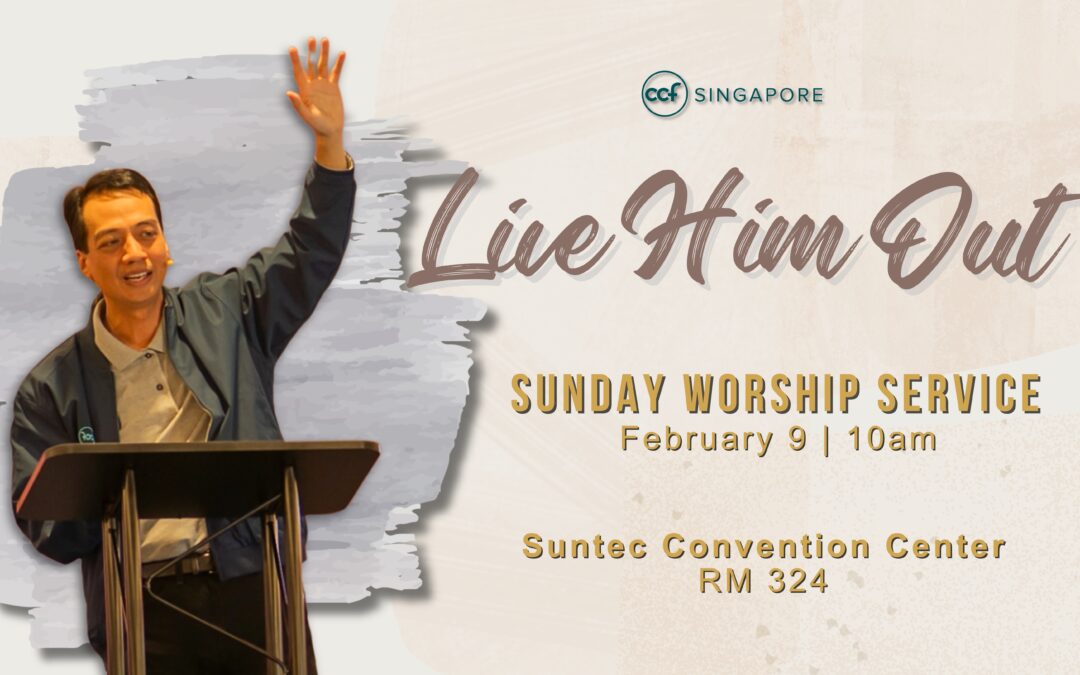
February 9, 2025 Preaching | Ptr Ryan Escobar
In the parable of the sower in Luke 8, Jesus explains the different ways people receive the Word of God. Here’s a breakdown of the metaphor:
The Seed represents the Word of God.
The Sower is God, the one who spreads His Word.
The Soil represents how our hearts respond to God’s message.
There are four types of soil (or hearts) described in this passage:
1. The Doubting Heart (Luke 8:12) – Hard Soil
This person hears the word but quickly doubts or rejects it. They may attend church or listen to the message, but it does not take root. Going to church does not make one a Christian. Because the enemy will always sow doubt, making church goers question the truth of Scripture. However, we must remember the unique nature of the Bible—it was written over 1,500 years by 40 different authors from diverse walks of life, in various places, during different times, and in three languages. Despite this, there is no contradiction in it. Additionally, the fulfilment of over 300 prophecies in the person of Jesus is a profound testament to the Bible’s truth.
The Question is: Are you doubting God’s Word? How is it impacting your life?
2. The Discouraged Heart (Luke 8:13) – Rocky Ground
This person initially receives the Word with joy but falls away when difficulties arise. Life is full of challenges, and being a Christian does not exempt us from hardship. However, these trials (or hitting rock bottom) serve God’s greater purposes. They provide a space for us to hear God’s voice more clearly, experience His love and correction, and prepare us for the future. God is more concerned with our character than our comfort. Thank God for rock bottom experiences. We may not understand why, but if we respond properly, God will use it for good.
The Question is: How are you feeling discouraged today? Which Bible verses will you cling to in these moments?
3. The Distracted Heart (Luke 8:14) – Thorny Ground
Here, the Word is heard, but distractions—like worries, wealth, and pleasures—choke its growth. It is easy to appear Christian outwardly, but the true test is how we live when we are not surrounded by fellow believers. The story of William Tyndale, who risked his life to translate the Bible into English, teaches us the importance of focus and dedication to God. Despite being imprisoned and ultimately martyred, Tyndale’s last prayer was for the King of England to see the truth. Three years later, King Henry VIII authorized the printing of the English Bible and that it be read aloud in church services. Tyndale’s legacy lives on, showing us that our focus on God can have eternal impact.
The Question is: What distractions are taking your focus away from God? What steps can you take to prioritize Him?
4. The Devoted Heart (Luke 8:15) – Good Soil
This person hears, understands, and perseveres. They produce lasting fruit because they remain connected to God. A devoted heart bears three kinds of fruit:
- Christlike Character: As seen in Galatians 5:22-23, we are called to develop the fruit of the Spirit—love, joy, peace, forbearance, kindness, goodness, faithfulness, gentleness, and self-control.
- Good Works: Ephesians 2:10 reminds us that we are created in Christ Jesus to do good works. Serving others and living out our faith in action is a reflection of our devotion.
- Discipleship: Our mission is to make disciples. We are called to make Christ-committed followers, who, in turn, will make more Christ-committed followers.
The Question is: How devoted are you to God and His Word? What fruit do you want to bear in your life?
In summary, God is good all the time, regardless of our circumstances. He is always at work, drawing us closer to Him and fulfilling His purpose in our lives. Reflect on the type of soil your heart represents, and ask God to help you grow and bear good fruit for His kingdom. Remember: If you want to live Him out, don’t leave Him out.